
HDB Renovation Costs Explained: What You’re Really Paying For

Renovating an HDB home is often one of the biggest expenses a homeowner in Singapore faces after receiving the keys.
While many people assume renovations are mainly about aesthetics, much of the cost actually comes from the unseen work—plumbing, electrical work, and project management.
Whether it’s your first renovation or you’re updating a resale flat or a new BTO unit, understanding what drives HDB renovation costs will help you plan with confidence.
Here are some of the key factors that determine your final bill, so you can approach your renovation fully prepared.
Why Renovation Costs Vary Widely

So, how much does a HDB renovation cost, anyway?
Well, there isn't a straightforward answer to that.
Homeowners often find renovation quotations surprising because the HDB renovation cost is not a fixed shelf price.
In actuality, the price can depend on cost drivers such as:
The scope of renovation work
Material choices
Labour requirements
Flat type
This is without factoring in the market demand in Singapore, which plays a role in influencing contractor and material pricing throughout the year.
Differences between BTO and resale renovations
When you ask how much you should expect to pay, the answer differs based on whether you are renovating a resale flat or a BTO.
For instance, a resale unit may require correction work, such as hacking outdated tiles or replacing pipes, which increases labour.
On the other hand, a BTO renovation may start with fewer corrective works because the foundation is new, although some owners choose to completely redesign the space anyway.
Don't know where to start? Read our guide on 7 Steps to Plan Your HDB or Home Renovation and discover how to organise your timeline efficiently!
The Influence of Interior Design on Cost

Choosing interior design services is one of the first decisions that will impact your budget.
An interior designer charges more than a contractor because the role includes, and is not limited to:
Conceptual planning
Material selection
3D visualisations
Coordination with suppliers
Simply put, you pay for aesthetics, optimisation of space and workflow, and guidance that can help you avoid mistakes or costly rectification!
Working directly with a contractor may seem cheaper upfront, but you may miss the planning insight of an interior designer.
For example, an interior designer could suggest layout adjustments in an HDB room to improve storage without needing excessive built-ins.
Professional planning often prevents rework, which can become more expensive later.
For a larger space like a 5-room HDB, the planning advantage becomes even more obvious, especially when the project includes carpentry or structural alterations.
Hacking, Masonry, and Structural Work
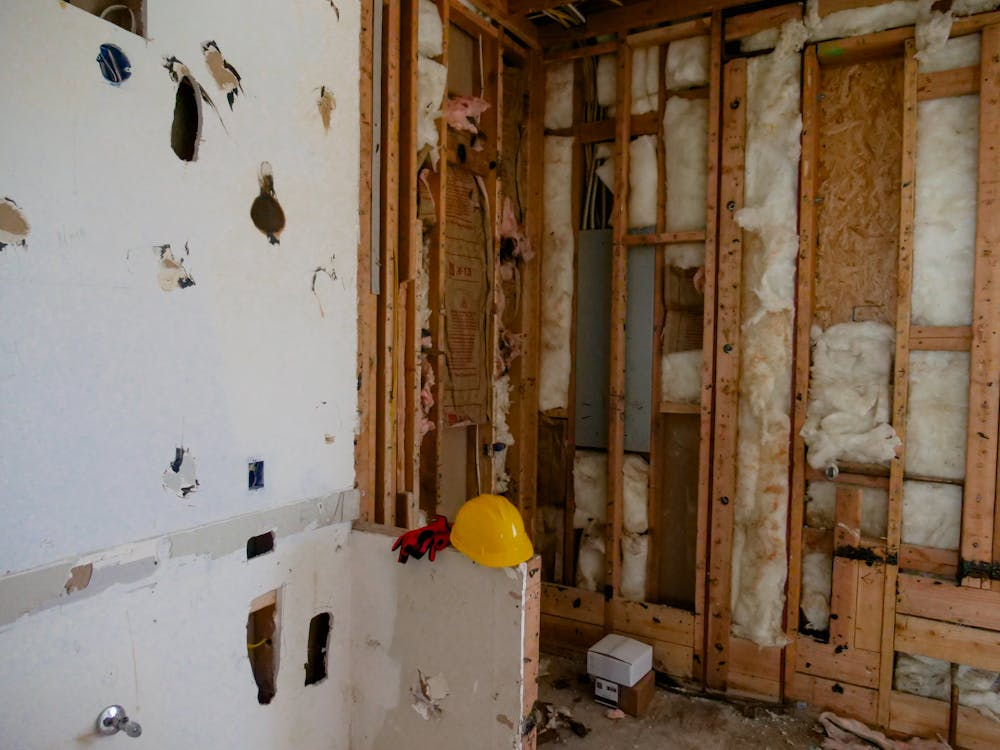
Hacking and masonry are one of the major cost drivers in the renovation process, particularly for resale flats.
Removing old tiles, demolishing walls, and correcting uneven flooring all demand intensive labour. Haulage and disposal of debris add to the cost.
If you're planning a huge renovation, structural changes may require official approval and compliance with regulations to ensure safety.
In comparison, a BTO may involve fewer hacks because the fittings are new.
That being said, homeowners who want customised layouts in a BTO might still add hacking to open up spaces or reorganise rooms.
Carpentry, Built-Ins and Storage

Custom carpentry often forms another major element in your renovation budget.
Built-ins such as wardrobes, kitchen cabinets, and TV consoles cost more because they are tailored to fit your space.
Materials also influence cost, with options like solid plywood increasing durability and, in turn, price.
Some homeowners opt for modular furniture instead of full carpentry to reduce expenses.
However, customised solutions are often ideal when dealing with awkward layouts or limited spaces that require efficient storage.
In resale flats, you may not need extensive work done, but carpentry can help mask existing imperfections in walls and flooring!
Electrical and Plumbing Adjustments

Electrical and plumbing changes are more often than not unavoidable in many situations.
There are numerous tasks that can add to the final cost. For example:
Adding power points
Shifting sinks
Relocating lighting fixtures
Rewiring
In the case of older resale flats, they may require full rewiring for safety. Modern lifestyles and appliances place higher demands on existing wiring, making upgrades essential.
Plumbing costs also rise when relocating major fixtures or when bathrooms require waterproofing.
Although waterproofing increases your renovation bill, it prevents leaks and water damage, reducing long-term repair expenses.
Flooring and Tiling Choices

Flooring is one of the most variable elements in renovation budgeting.
For one, the materials you choose can make a big difference in lowering or increasing your overall renovation costs:
Vinyl is generally affordable and quick to install
Tiles are more expensive because they require precise cutting and labour
Natural materials like marble and terrazzo raise the cost even further
In resale kitchens and bathrooms, waterproofing and retiling are essential.
Overlaying existing tiles can reduce hacking costs, although this may not be suitable for every space.
A BTO might have standard floor finishes that you can retain or selectively upgrade, which reduces cost compared to replacing every floor surface.
Paintwork, Ceilings and Glass Features

Luckily, painting is usually one of the more manageable expenses you can anticipate!
Just be sure to keep in mind that the paint type and finish will still influence the cost.
If you want to add a modern appeal, false ceilings are popular as they conceal wiring, yet they increase material and labour costs.
Glass panels, mirrors, and partitions can improve light and create an open feel, but they also add to the bill!
Open-concept layouts remain popular in Singapore, which may involve removing walls if needed. While this creates more space and flow, hacking and glass installations lead to higher labour charges.
Smart Home Features and Energy Efficiency

These days, homeowners like to include smart home technology in HDB flats.
Automated switches, integrated air-conditioning, voice controls, and smart lighting systems increase convenience and modernise living.
However, these features are not just about device cost; they also require additional wiring and planning.
Energy-efficient systems cost more at installation but may lower monthly bills.
To be more specific, air-conditioning, LED lighting, and insulation are some areas to consider where upfront spending can yield long-term savings.
With this, you are able to prioritise cost-effective upgrades to keep energy expenses manageable!
Setting a Realistic Budget

With all the potential renovation works out of the way, there are things you can do to not overspend on your home project!
Firstly, it is essential to have a list of priorities to help manage costs in the renovation process.
Focus first on structural safety, plumbing, and electrical needs. Invest in carpentry where it adds functional value, such as in the kitchen and storage areas.
Save on areas that do not directly impact long-term comfort, like optional feature walls or decorative lighting.
Other than that, remember to always keep a contingency fund for unexpected costs; market shifts, delivery delays, and custom work may increase expenses.
Thinking in the long term pays off as it prevents you from the hassle of worrying about repairs and maintenance in the future!
Renovate Your Dream HDB with Brick & Decor!
Are you on the hunt for a premium interior designer at an accessible rate?
Well, look no further!
Here at Brick & Decor, we intend to simplify your renovation process from start to finish.
With in-house carpenters and long-term partners, all of our work is handled by a single team, ensuring consistent and reliable results.
Whether it is an HDB or a landed property, you can trust us to prioritise your wants and needs to bring your dream space to life!
Eager to get started? Contact us today and let us know how we can help you achieve the home you deserve.